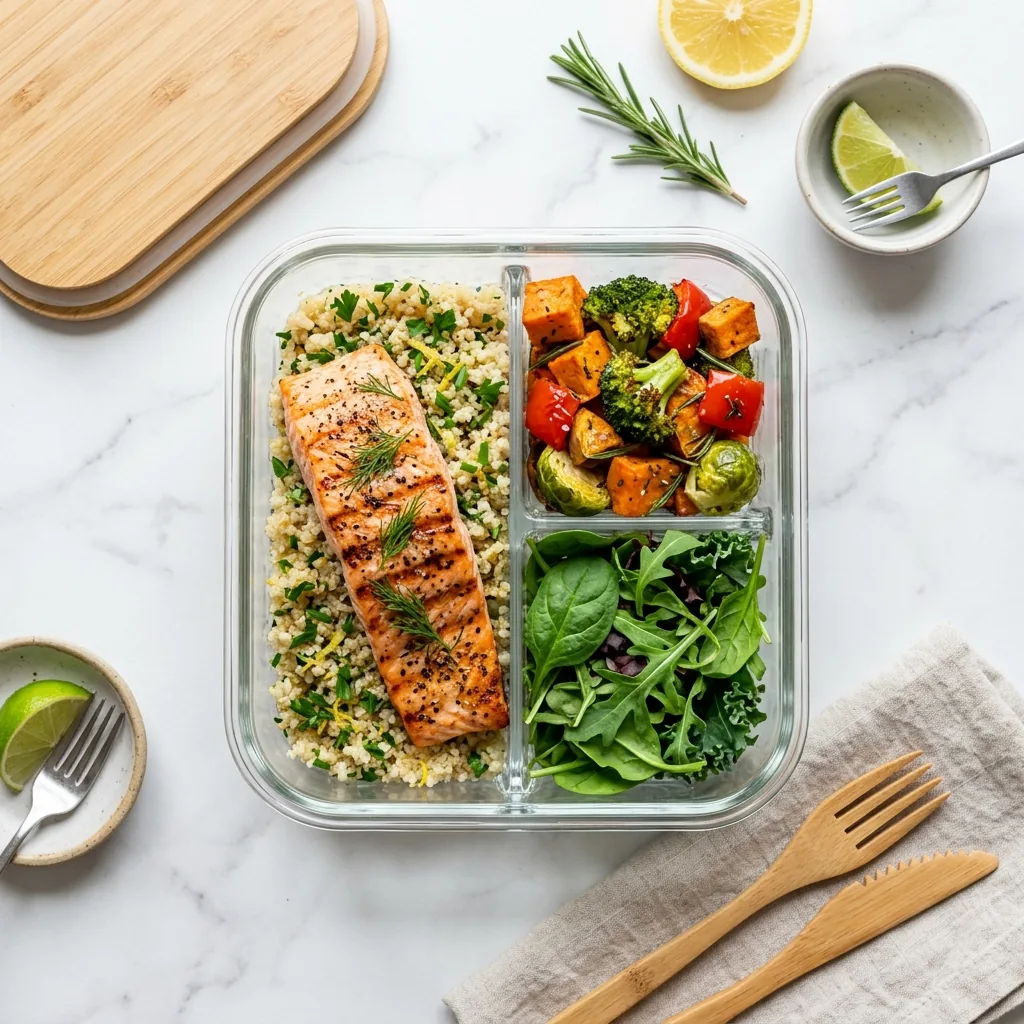
Planning a few flexible basics can help make nourishing meals more affordable. Budgets, cultures, routines, and needs differ, so use the ideas that work for your household.
Plan Before You Shop
Make a short list from meals you expect to prepare, then check the refrigerator, freezer, and pantry before you go. Starting with foods already at home can help you buy only what you will use.
Choose Flexible Staples
Beans, eggs, oats, whole grains, frozen produce, and canned options with no added sugar or lower sodium when available can work in many meals. Choose familiar items you enjoy and can use in more than one way.
Compare Value, Not Perfection
Compare unit prices when useful, but do not feel pressured to choose a single “perfect” food. The option that fits your budget, tastes good, and suits your routine can be a practical choice.
Store Food to Reduce Waste
Portion leftovers for another meal, freeze foods when useful, and plan one meal around items that need to be used soon. A simple leftover night can make a grocery plan stretch further.
Make It Work for You
Adjust these ideas to your household size, preferences, and health needs. Small, repeatable choices can be more useful than a complicated shopping plan.